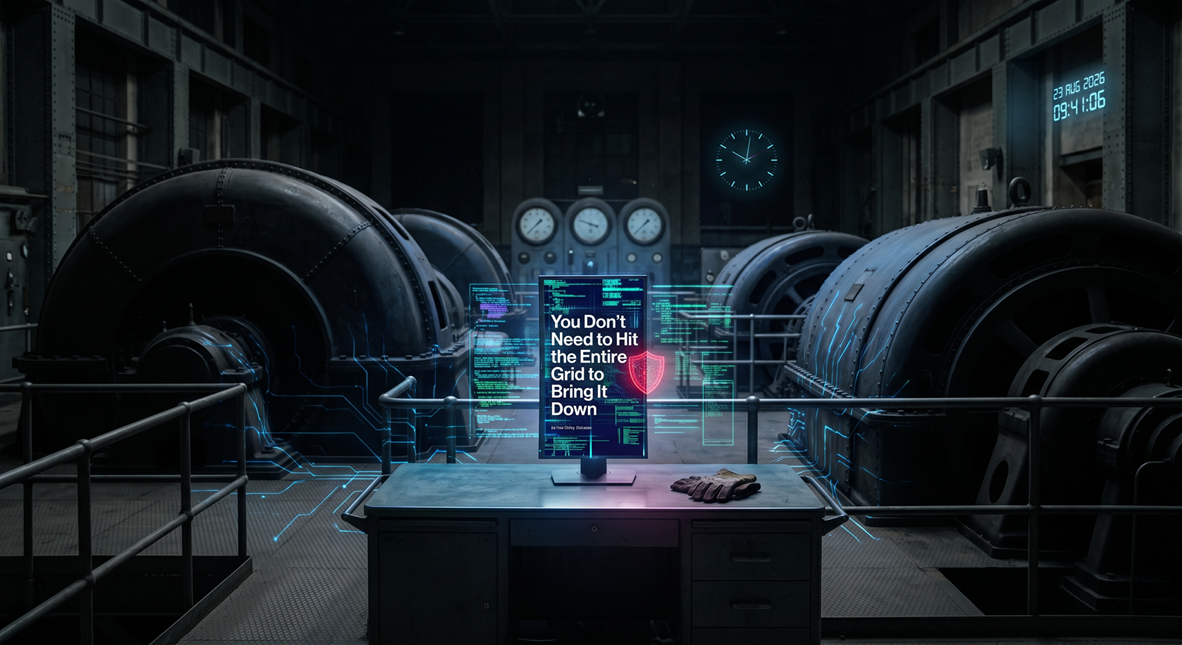
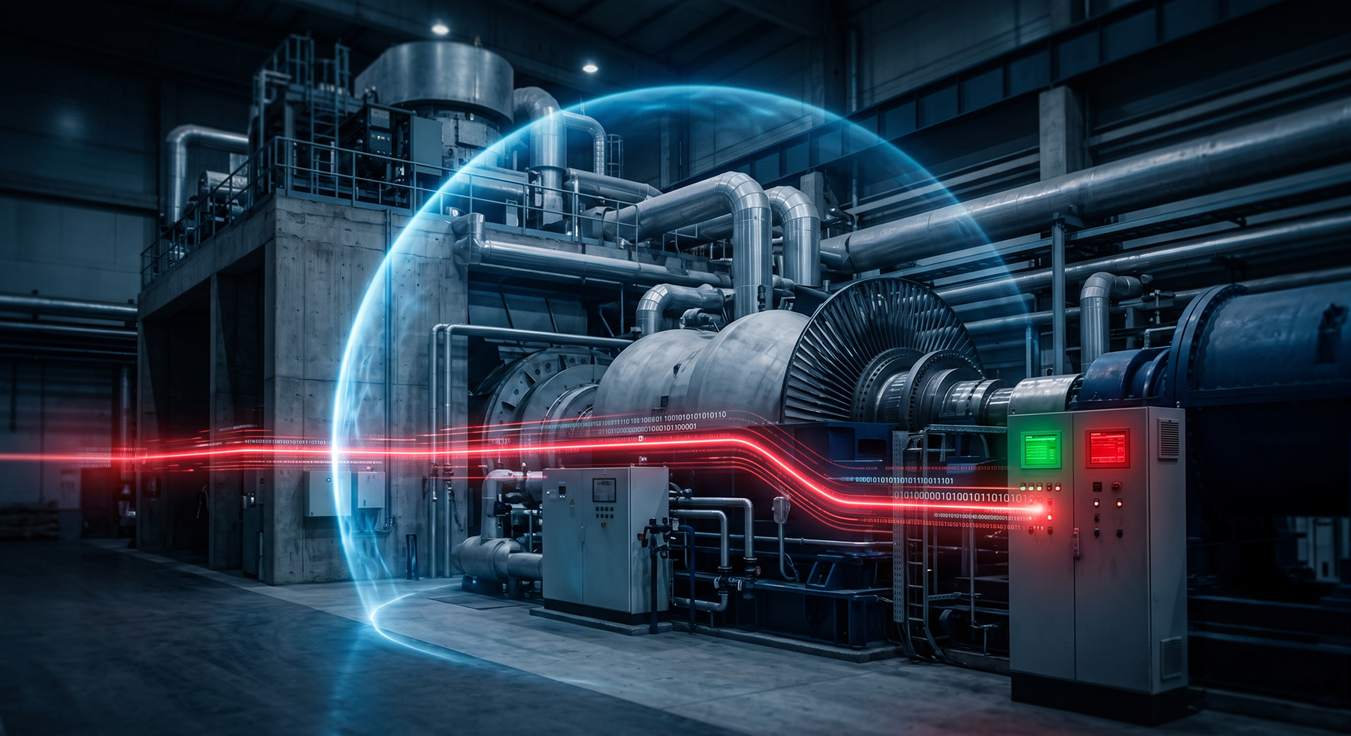
True grid resilience requires separating the switchyard from the office.
Security
We are trying to protect 50-ton industrial turbines with the same software we use to secure company emails. And we wonder why the energy sector is stressed.
DNV's newly released 2026 Energy Industry Insights just dropped a quiet bombshell on the state of our grid defenses. While 65% of energy leaders now rank cyber as their top risk, the data shows they are significantly more anxious about the security of their physical infrastructure (54% confidence) than their digital IT networks (59%). This isnt a funding problem. Its an architecture problem.
For the last decade, the industry has fallen into the trap of trying to force-fit traditional corporate IT security models onto Operational Technology (OT) environments. The result? We are drowning the people who actually keep the lights on in cryptic alerts and false positives.If we want to secure the grid against a new era of infrastructure threats, three things have to change immediately:
1. Stop monitoring IT when the mission is OT. A smart grid switchyard is not an office LAN. We need to stop pretending that monitoring the corporate IT network provides any meaningful security for the physical grid. OT requires its own native, isolated visibility - full stop.
2. Kill the alert fatigue through radical simplicity. Security platforms are practically requiring a PhD to operate. If a lean, non-technical operational team cannot look at a dashboard and instantly understand what is happening on their own grid, the tool has failed. In critical infrastructure, user-friendly design isnt a luxury; it is a core security requirement.
3. Automate the clipboard out of existence. Grid regulators are aggressively tightening the screws on supply-chain security. Meeting rigorous frameworks like NERC CIP and NIS2 can no longer be a manual, annual spreadsheet exercise. Compliance must be an automated, continuous baseline built directly into the operational workflow.
True organizational preparedness doesnt come from buying more generic software. It comes from purpose-built visibility. Isn't it time we finally separated the grid from the office?