The Invisible Frontline: Why Cyber Warfare is the New "Quiet" War
Security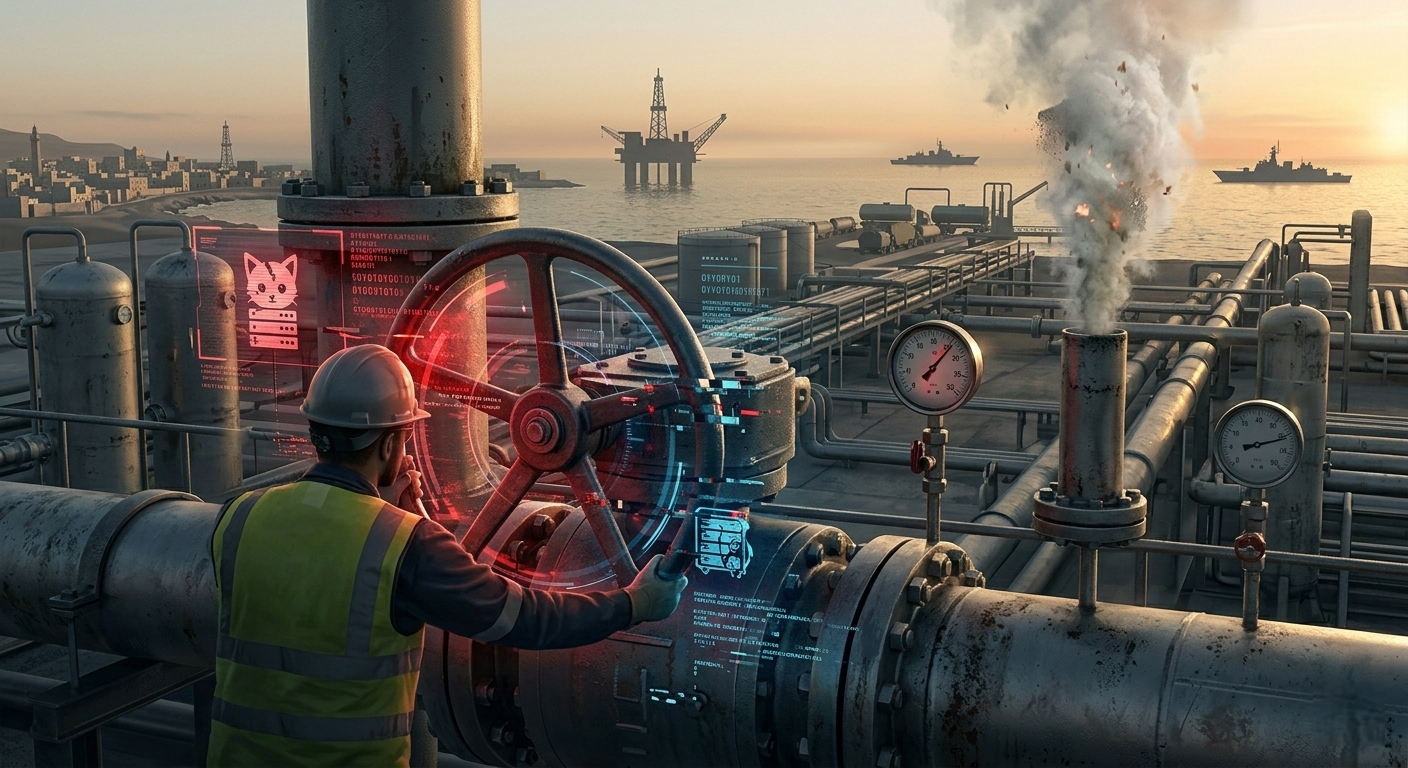
While the world's attention is gripped by the high-intensity combat operations across the Middle East - specifically the unfolding war between the U.S., Israel, and Iran - there is another conflict happening 24/7. It doesn’t involve missiles or tanks, and you won’t hear it coming.
It’s happening in the cloud, on our phones, and in the "smart" systems that run our power grids and fuel stations. Understanding this "cyber arsenal" is no longer just for IT experts; it’s essential knowledge for everyone.
1. The "Asymmetric" Strategy: Leveling the Playing Field
In traditional warfare, military hardware often determines power. But in cyberspace, a smaller nation can level the playing field. State-sponsored groups use digital operations to cause economic pain and widespread fear without necessarily triggering an all-out physical war. This allows them to exert pressure while keeping the conflict just below the boiling point of a traditional military response.
2. The Energy Connection: When Digital Becomes Physical
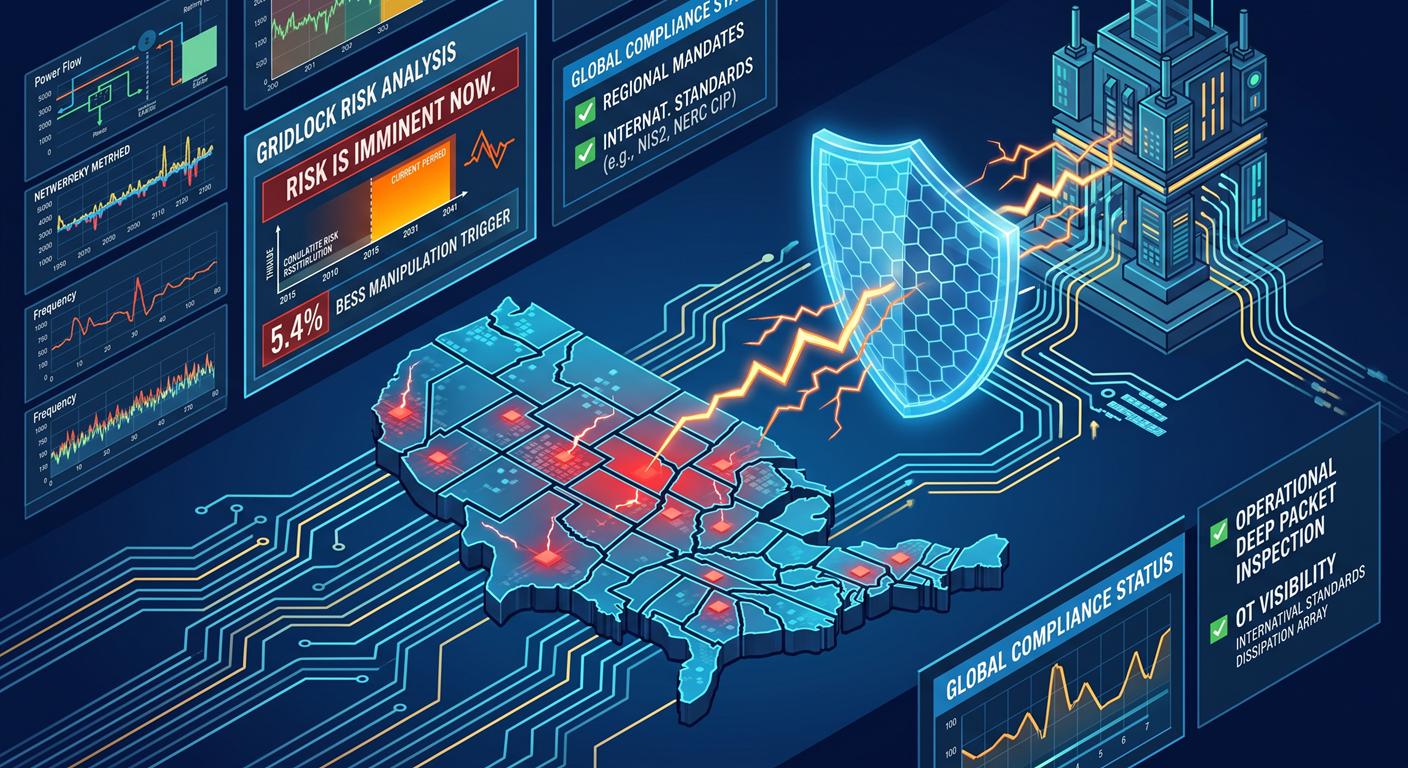
We often think of "hacking" as stealing credit card numbers, but the real target is Critical Infrastructure. Recently, we’ve seen how this plays out in the real world:
• The Fuel Pump Pivot: Groups like Handala (linked to state-sponsored actors) have recently targeted industrial control systems, leading to disruptions in fuel station infrastructure and energy distribution.
• The "Kill Switch": Threat actors such as APT33 specifically target the energy and aviation sectors. Their goal isn't just to snoop; it’s to find a way to manipulate the machines that keep our lights on.
• Wiper Malware: Specialized teams are now deploying "wiper" tools against energy firms - software designed not to steal data, but to permanently delete it, paralyzing operations instantly.
3. The "Pivot": How They Get in Your House
A common misconception is that power plants are hacked directly. Instead, attackers often use a "pivot" strategy. They start by stealing a simple office password - perhaps a corporate email account - through automated guessing.
Once they are inside the "boring" corporate network, they look for an unlocked door leading to the Operational Technology (OT) side: the actual machines, sensors, and controllers that manage energy flow. A single stolen email password can, in the wrong hands, lead to a physical shutdown.
4. Our Collective Defense
Whether you are a cybersecurity professional or a business leader, the defense playbook remains the same:
• MFA is Mandatory: Strong, phishing-resistant Multi-Factor Authentication is the single most effective wall you can build.
• Healthy Skepticism: In an age of AI-generated profiles, if a new contact reaches out - even if they seem like a legitimate researcher - verify them through a separate channel like a phone call.
• Air-Gapping: Critical systems (the ones that move fuel or electricity) should never be directly connected to the public internet.
The Bottom Line
In today’s world, the "quiet work" - the password stealing and scanning for weaknesses - happens long before a single shot is fired. This reality forces us to ask a difficult question: In a hyper-connected world, does true "peace time" even exist anymore, or are we in a constant state of preparation for the next digital conflict?
Stay vigilant. Stay secure.