The FBI’s "Major Incident" Warning: A Reality Check for the Grid
Security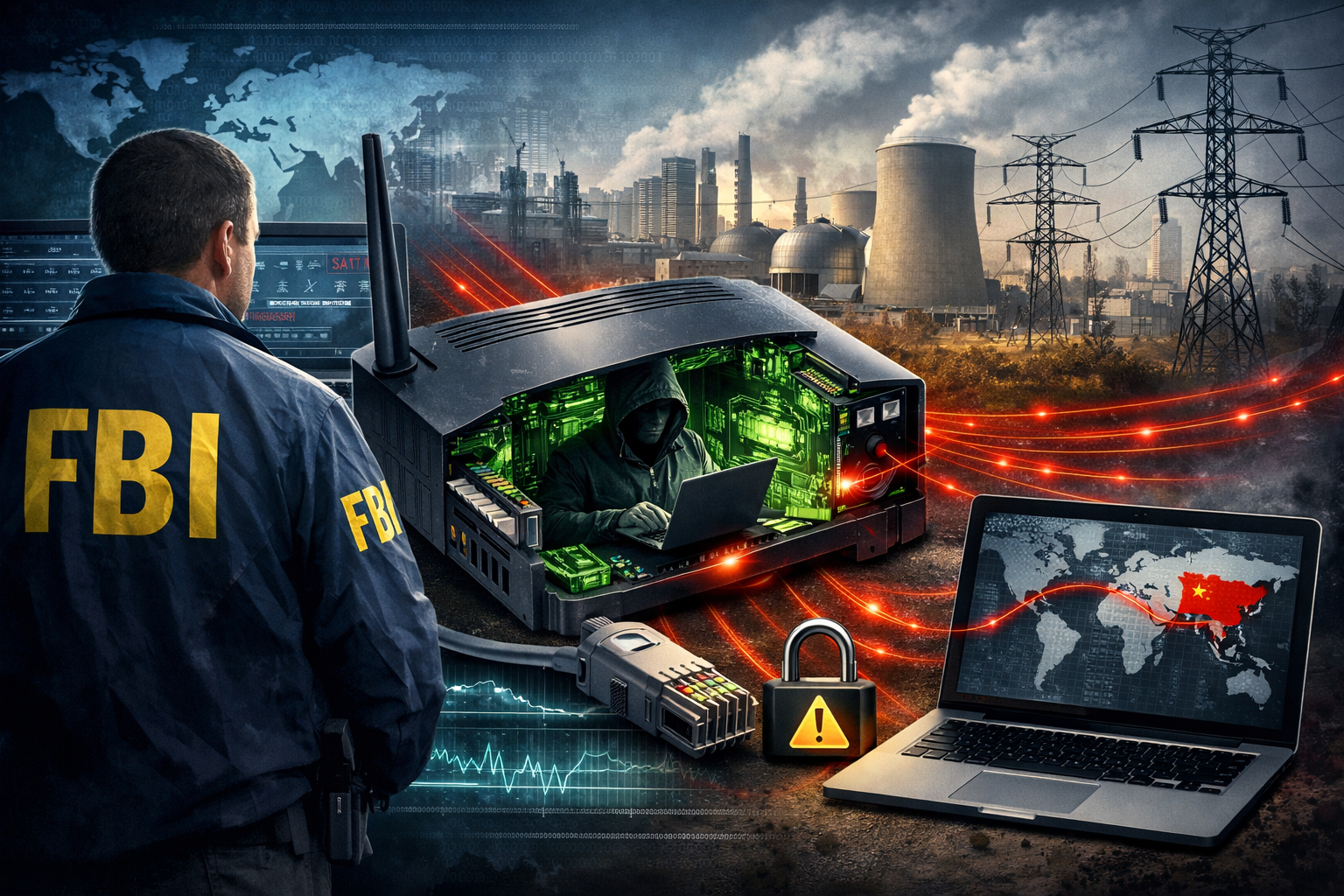
The FBI doesn't usually label cyberattacks as "Major Incidents" unless something significant has shifted. Their recent report on the "Salt Typhoon" breach is one of those moments.
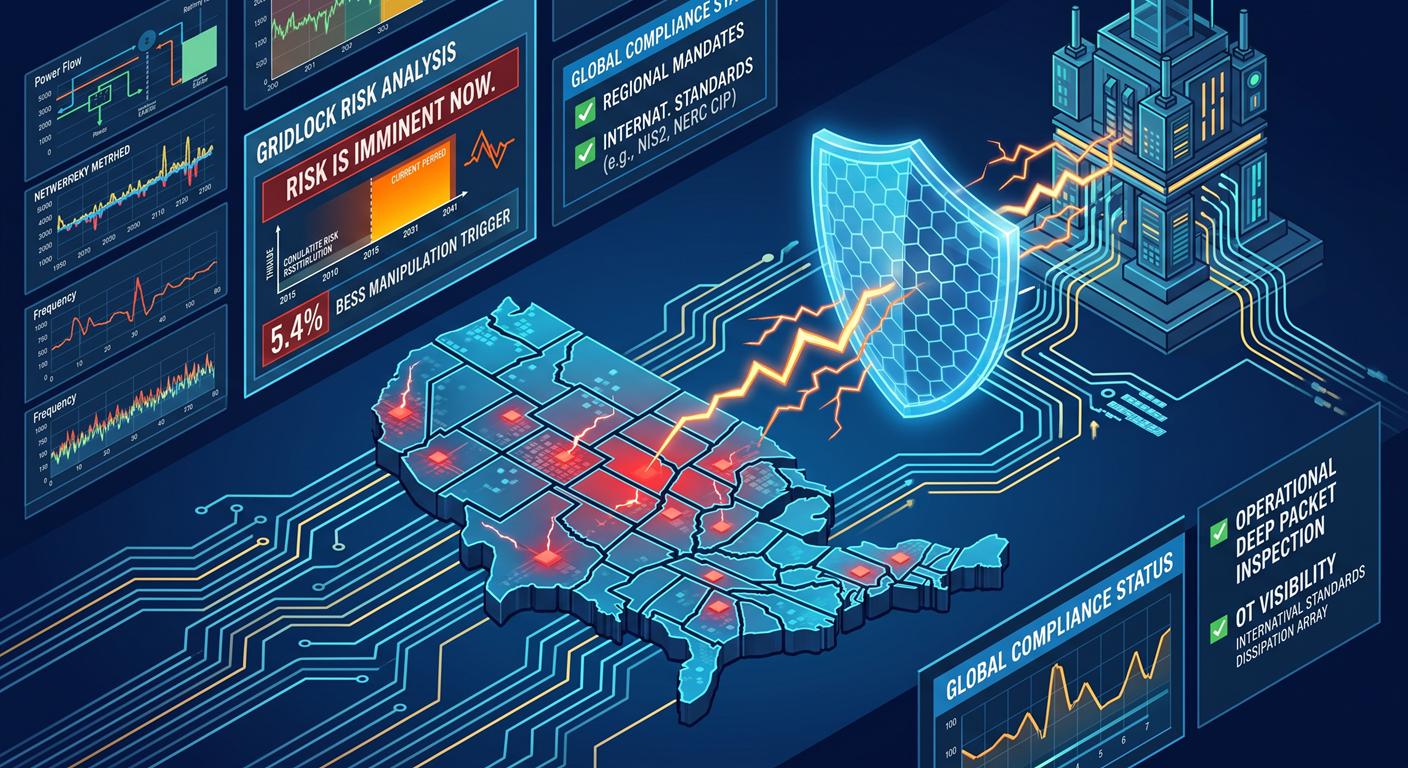
While the news is focused on government systems, the real lesson is for those of us running critical infrastructure and power grids. The attackers didn't kick down the front door; they essentially hid inside the "pipes" of a major service provider to get in.
The Problem with "Trusted" Vendors For years, the standard approach to grid security has been: “We trust our hardware vendors, we follow the compliance checklist, and we’re good.”
This incident proves that’s no longer enough. If a sophisticated state-actor can sit silently inside a vendor’s equipment for months, we have to stop assuming that a device is safe just because it has a familiar logo on it. The threat isn't just coming at us; it's already built into the tools we use to run the grid.
Seeing the Blind Spots In the energy sector, we can't just "scan" everything to find these hidden backdoors. Active scanning can be too aggressive for older grid equipment, and it often misses the quietest threats anyway.
To actually protect the grid in 2026, we need to change our perspective:
• Watch the behavior, not the badge: It doesn't matter who made the router. What matters is what that router is doing right now. Is it sending data to a strange location? Is it "talking" at 3:00 AM when it should be silent?
• Silent Monitoring: We need to observe network traffic without touching the devices themselves. This keeps the system stable while giving us total visibility.
• Use Machine Learning for what it’s good at: We don't need "AI" to write emails; we need Machine Learning to spot the tiny, weird patterns in grid data that a human or a basic firewall would never notice.
The Bottom Line: The FBI’s warning is a clear signal that the "supply chain" isn't just a buzzword - it’s an active target.
In 2026, resilience isn't about having a thick perimeter. It’s about having the visibility to know exactly what is happening on your network at all times, especially when the hardware itself can’t be trusted.