The Rise of the “Private Utility”: What Google’s $4.7B Move Means for Energy Infrastructure
Security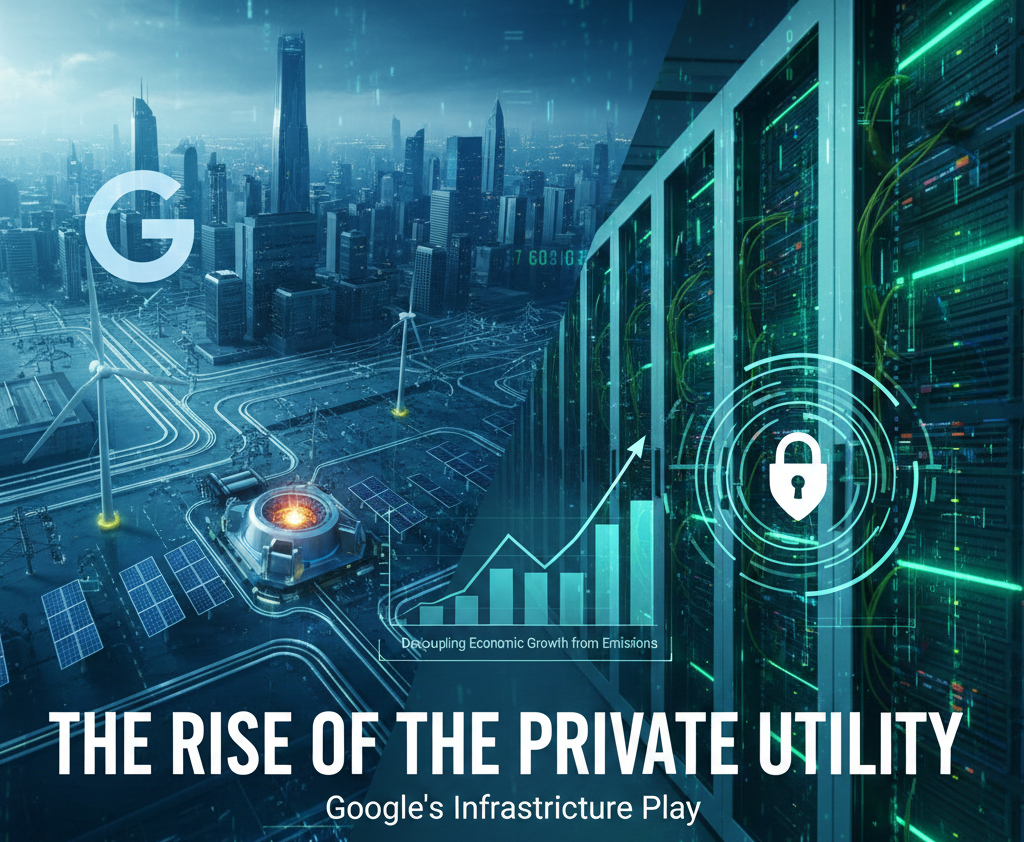
The headlines this week are dominated by Alphabet’s $4.75 billion acquisition of Intersect. On the surface, it looks like another tech giant securing green energy. But if you look closer, the implications for our industry are much deeper.
For years, Big Tech has been a customer of the grid. Now, they are becoming the builder, the owner, and the operator.
At Argen Energy, we’ve been watching the "interconnection queue" become one of the biggest bottlenecks in modern infrastructure. Google isn't waiting in line anymore. By building their own gigawatt-scale micro-grids and investing in Small Modular Reactors (SMRs), they are effectively bypassing the traditional utility model to fuel their AI ambitions.
Why does this matter to you?
Whether you are a utility operator or a fellow executive, this shift highlights three critical trends:
1. The End of the "Customer" Relationship: When a single entity owns the generation, the storage, and the consumption (the data center), the traditional relationship with the public grid changes. We are entering the era of the "Private Utility."
2. Resilience is the New Currency: This isn't just about "going green." It’s about control. In an era of increasing grid instability and cybersecurity threats, owning the physical infrastructure is the ultimate insurance policy.
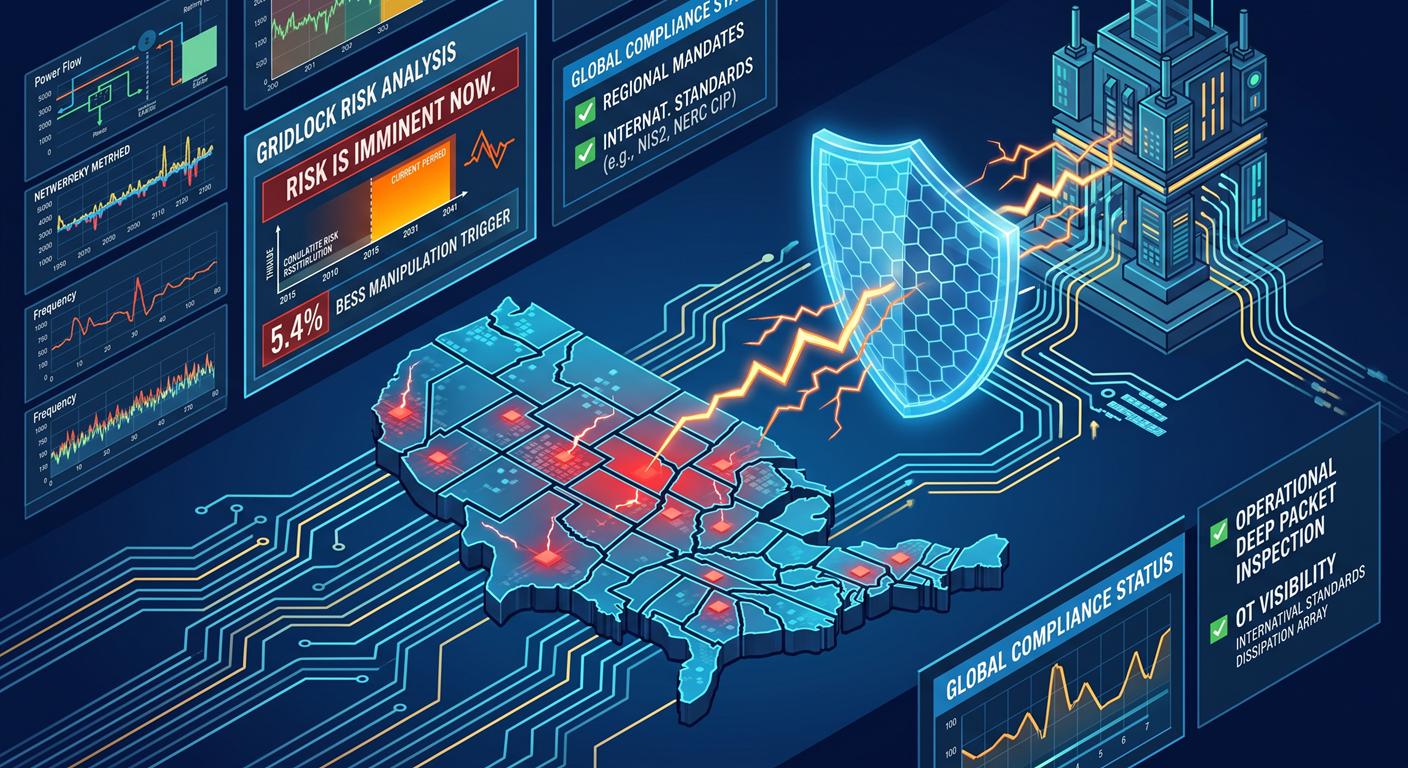
3. The Compliance Squeeze: As these "islanded" grids grow, they will face unprecedented regulatory scrutiny. Navigating frameworks like NIS2 or NERC CIP won't just be for the traditional giants—it will be a requirement for any entity acting as a critical power provider.
The Bottom Line:
The line between "Technology Company" and "Energy Provider" has officially blurred. At Argen Energy, we believe that the future of the grid isn’t just about more power; it’s about smarter, AI-driven infrastructure that is secure by design.
Google is building their own path. The question for the rest of the industry is: How are we modernizing our own infrastructure to keep pace?