Navigating the New CESER Cybersecurity Threat Profile Guide
Security
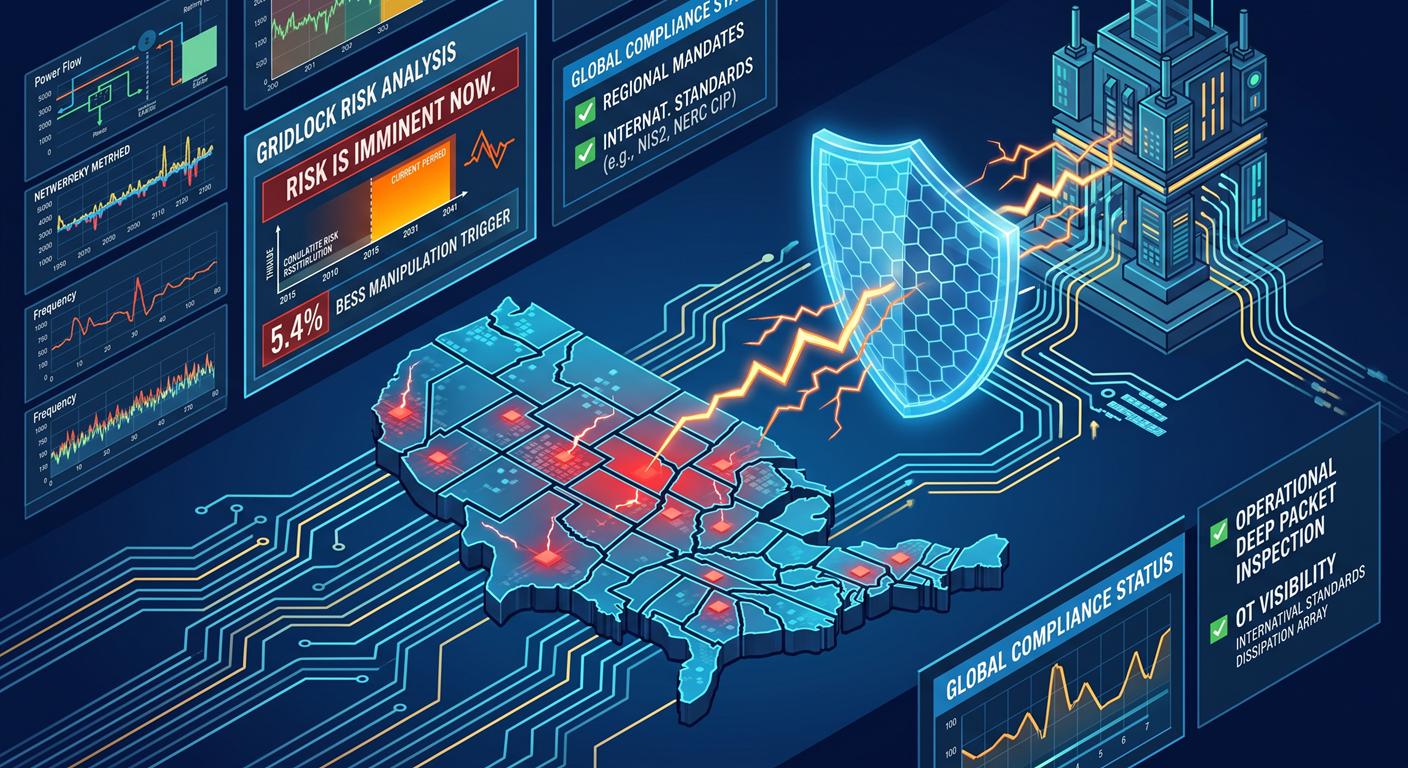
Today,July 28, 2026, the U.S. Department of Energy’s Office of Cybersecurity, Energy Security, and Emergency Response (CESER) released version 1.0 of the Cybersecurity Threat Profile Development Guide. Understanding the threat landscape is critical, and this document provides a pragmatic approach for energy sector organizations to characterize the intent, capability, and targetsof potential cyber threats.
For small-to-medium utility players, navigating the vast array of threat intelligence can often be overwhelming. This guide simplifies the process into four manageable steps: Plan, Develop, Use, and Maintain. It enables organizations to create profiles at basic, intermediate, or advanced levels depending on their maturity. Crucially, the guide directly aligns with the Cybersecurity Capability Maturity Model (C2M2), providing a highly actionable framework for utilities striving to meet stringent regulatory requirements.
A significant highlight is the guide's focus on operational technology (OT). It provides practical examples of OT-specific threat scenarios, such as ransomware impacting electricity distribution or supply chain compromises affecting natural gas programmable logic controllers (PLCs). Protecting industrial control systems requires distinct strategies and specialized visibility. Standard IT network monitoring is simply insufficient for these operational environments. At Argen Energy, our work with EnerGuard reinforces this exact principle - effective security relies on mapping real-time grid alerts directly to these types of operational threat profiles to automate compliance and anomaly detection.
A threat profile is not just a static document; it is a foundational tool for prioritizing cybersecurity investments and informing daily operations. We highly recommend energy sector leaders review this guide to refine their security architecture and better understand their risk exposure.